
You send a newsletter. Open rates sit somewhere around 20 percent, and you can't tell if that's normal or a sign something's wrong. Thehonest answer: it depends less on your subject line tricks and more on whether the last five newsletters actually earned someone's attention.
Why Most SaaS Newsletters Get Ignored
Most SaaS newsletters read like a product update log dressed up as an email: new feature shipped, minor bug fixed, thanks for being a customer. None of that gives a reader a reason to open the next one.
Readers decide whether to open an email based on their memory of the last few, not just the subject line in front of them. If the last three newsletters felt like filler, the fourth gets ignored regardless of how it's written.
Give the Newsletter a Reason to Exist Beyond Updates
A newsletter that exists purely to announce product changes competes for attention against every other company doing the exact same thing. A newsletter with an actual point of view, a specific insight, an honest observation, a useful pattern noticed in customer behavior, gives readers something they can't get anywhere else.
This is closely tied to why founders benefit from having a genuine perspective running through everything they publish, not just their blog. If you haven't thought this through yet, it connects directly to what separates memorable brands from interchangeable ones.
Write One Idea Per Email, Not a Roundup
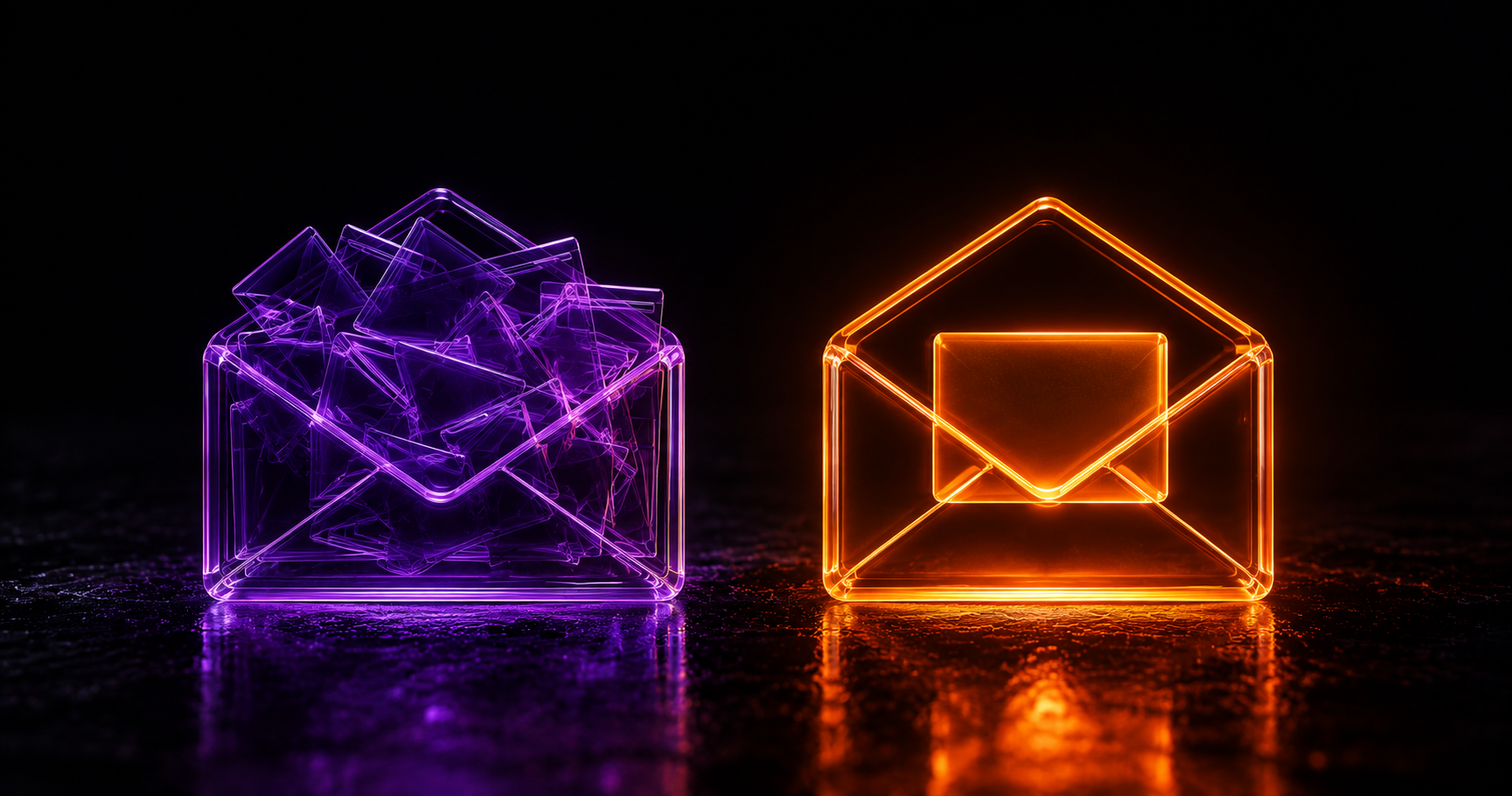
A common instinct is cramming five updates, two tips, and a customer shoutout into one email to maximize value. This usually backfires, since a reader skimming a crowded email absorbs almost none of it.
A newsletter built around one clear idea, explained well, tends to get read more fully and remembered longer than a roundup trying to cover everything at once.
Write the Subject Line Like a Text From a Friend
Corporate-sounding subject lines blend into a crowded inbox instantly. A subject line that reads like something a real person would actually text, specific, slightly informal, honest, tends to stand out simply by not looking like the fifty other marketing emails sitting above it.
Avoid vague subject lines like "Monthly Update" or "News From [Product]." They give the reader zero reason to open now versus later, which usually means never.
Segment Instead of Sending One Version to Everyone
A newsletter sent identically to a brand new trial user and a two-year paying customer rarely serves either well. What's genuinely useful to someone just starting out often feels irrelevant to someone who's been using the product for years, and the reverse is just as true.
Even a simple two-way split, one version for newer users, one for established ones, usually improves relevance more than any subject line trick could.
Make the First Line Do the Work
Most email clients preview the first line of text before someone even opens the email. A newsletter that opens with "Hi there, hope you're doing well" wastes that valuable preview space on nothing useful.
Lead with the actual point immediately, the same way a strong blog post answers the heading's question right away instead of building up to it slowly.
Track Engagement, Not Just Opens
Open rates are a weak signal on their own, partly because of privacy changes that make them less reliable than they used to be. Click-through rate and reply rate tell you far more about whether people are actually engaging with what you sent, not just technically receiving it.
A newsletter that gets replies, even short ones, is doing something right that a newsletter with a high open rate but zero engagement usually isn't.
Consistency Beats Perfection Here Too
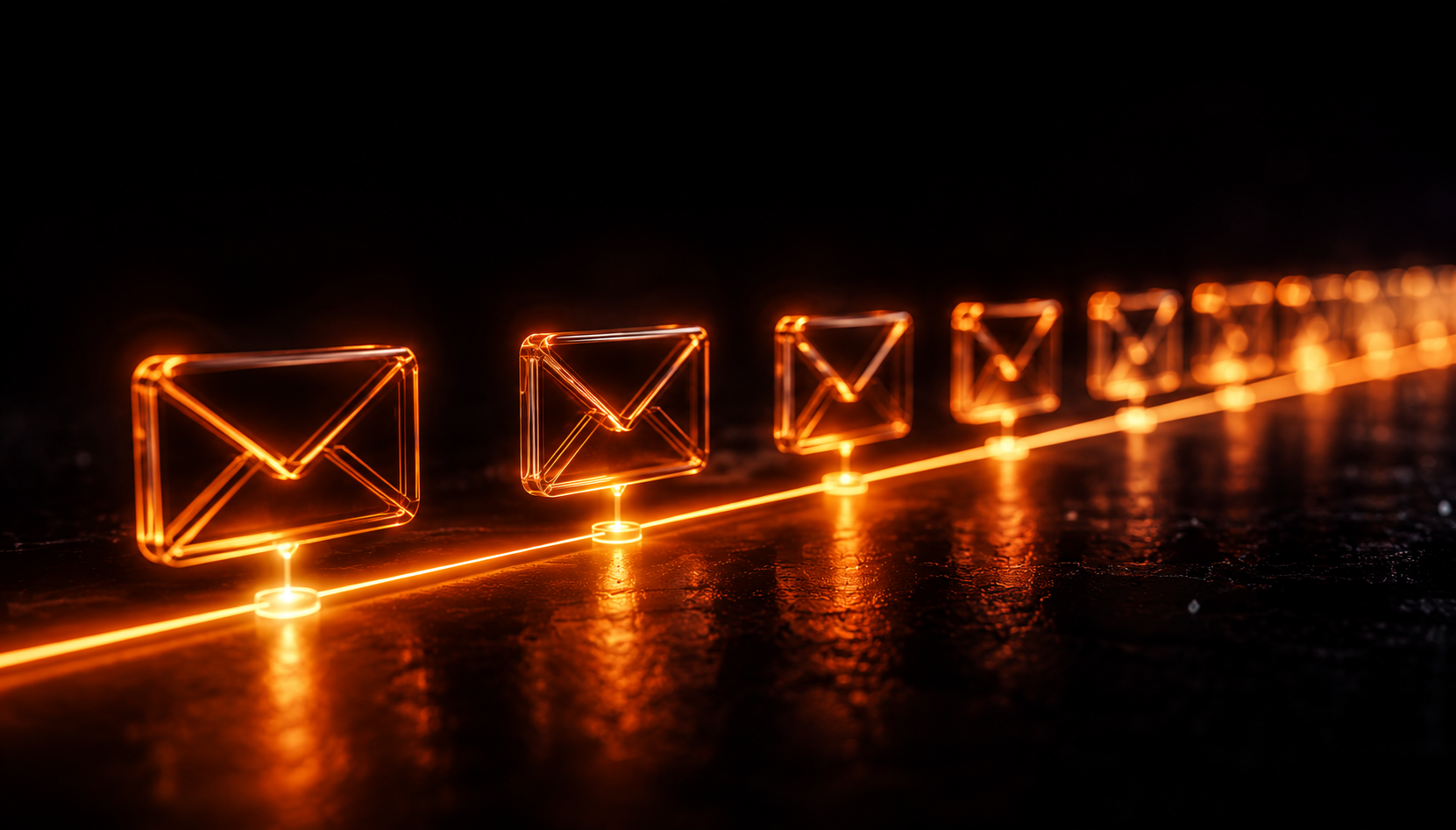
A newsletter sent reliably every two weeks, even if occasionally less polished, tends to build stronger reader habits than one sent brilliantly but unpredictably. Readers develop a rhythm of expecting your email on a certain day, and that rhythm is part of what eventually makes them open it without thinking twice.
This same pattern shows up across marketing in general, not just newsletters. Founders who treat a routine like this as optional often lose momentum right before it would have started compounding, a pattern worth being aware of before it happens here too.
FAQs
What's a good open rate for a SaaS newsletter?
It varies widely, but anywhere from 20 to 40 percent is common. The trend over time matters more than any single number.
Should a SaaS newsletter only cover product updates?
No. Product-only newsletters tend to get ignored quickly. A genuine insight or perspective gives readers a reason to keep opening.
How long should a SaaS newsletter be?
Shorter is usually better. One clear idea explained well tends to perform better than a long roundup covering several topics at once.
Should I segment my newsletter by user type?
Yes, where possible. Even a simple split between new and established users usually improves relevance significantly.
Is open rate still a reliable metric to track?
It's weaker than it used to be due to privacy changes. Click-through and reply rates are more reliable signals of real engagement.
How often should a SaaS newsletter be sent?
Consistency matters more than frequency. A reliable schedule, even biweekly, tends to build stronger reader habits than sporadic sending.
What makes a subject line get opened?
Specific, honest, conversational subject lines tend to outperform vague, corporate-sounding ones in a crowded inbox.